Your restroom’s partition choice affects durability, maintenance costs, and user experience. We at Partition Stalls know that selecting the right toilet partition types requires understanding materials, installation methods, and long-term performance.
This guide breaks down your options so you can make an informed decision for your facility.
Material Choices That Match Your Facility’s Reality
Laminate Partitions: Affordability Meets Visual Appeal
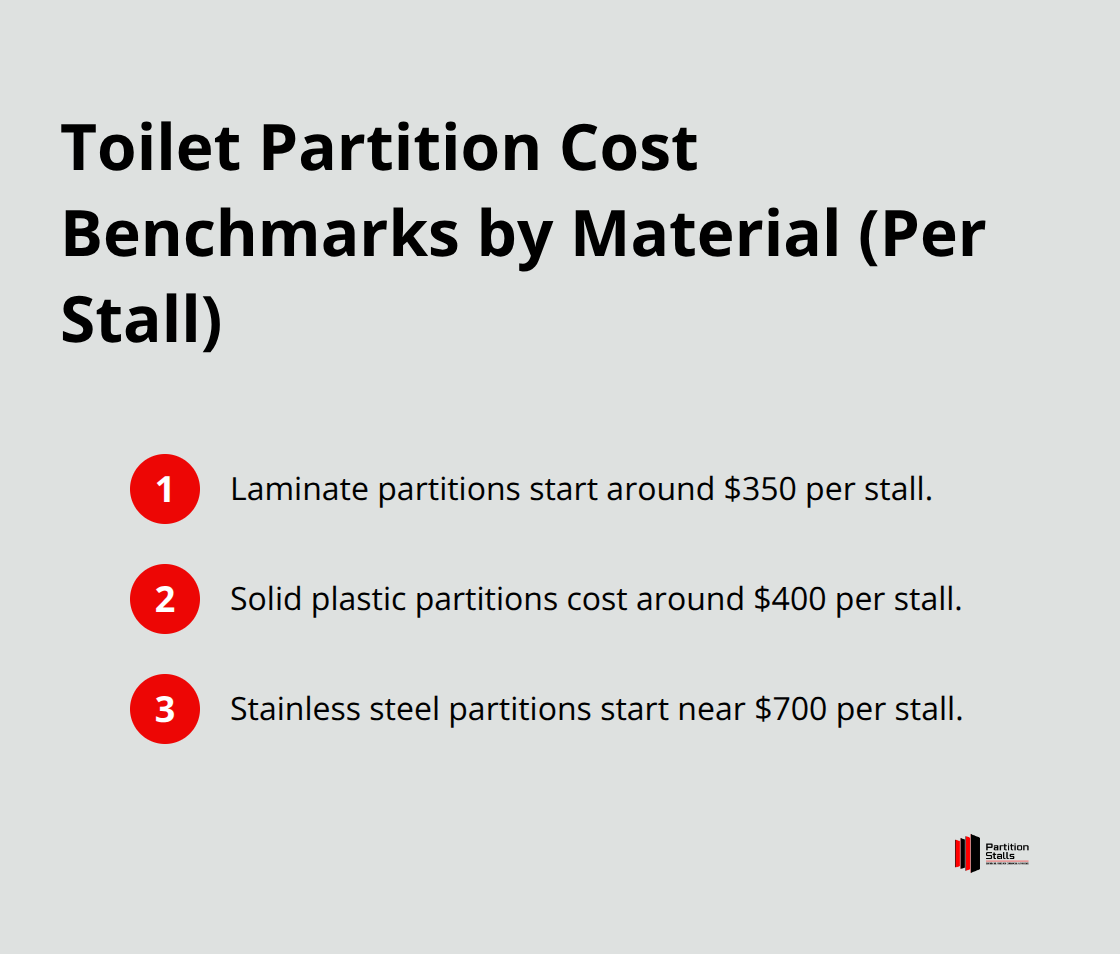
Laminate partitions start around $350 per stall and offer broad color and pattern options that appeal to facilities wanting visual appeal without premium pricing. They resist graffiti well and work in dry to moderately humid environments. However, laminate surfaces show visible brown or black edges, which affects aesthetics and requires edge maintenance planning. For casual restaurants where cleanliness ranks as the second most important quality to customers according to Nation’s Restaurant News, laminate paired with budget-friendly powder-coated steel creates a cost-conscious solution while maintaining acceptable durability. You gain affordability and design flexibility but accept higher maintenance demands in moisture-heavy spaces.
Solid Plastic Partitions: Moisture Environments Demand Better Materials
Solid plastic partitions cost around $400 per stall and handle moisture environments that destroy laminate. These partitions resist moisture, remain non-porous, and resist graffiti effectively, surviving high-traffic restrooms like gyms and swimming pools where water exposure occurs constantly. The 25-year warranty on solid plastic reflects genuine durability that reduces replacement costs over decades. Solid plastic partitions outperform laminate in any space where water contact happens regularly, making them the practical choice for facilities that cannot tolerate material failure.
Stainless Steel Partitions: Premium Durability for High-End Facilities
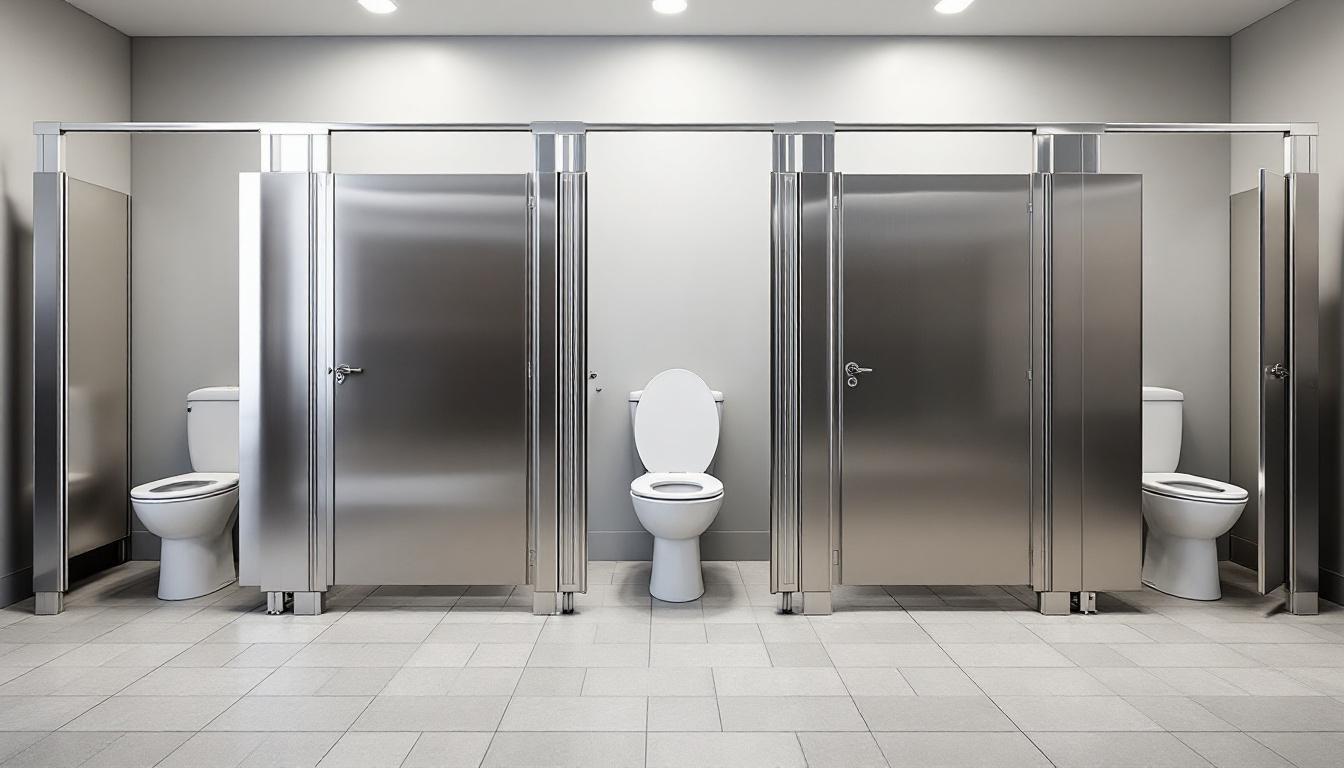
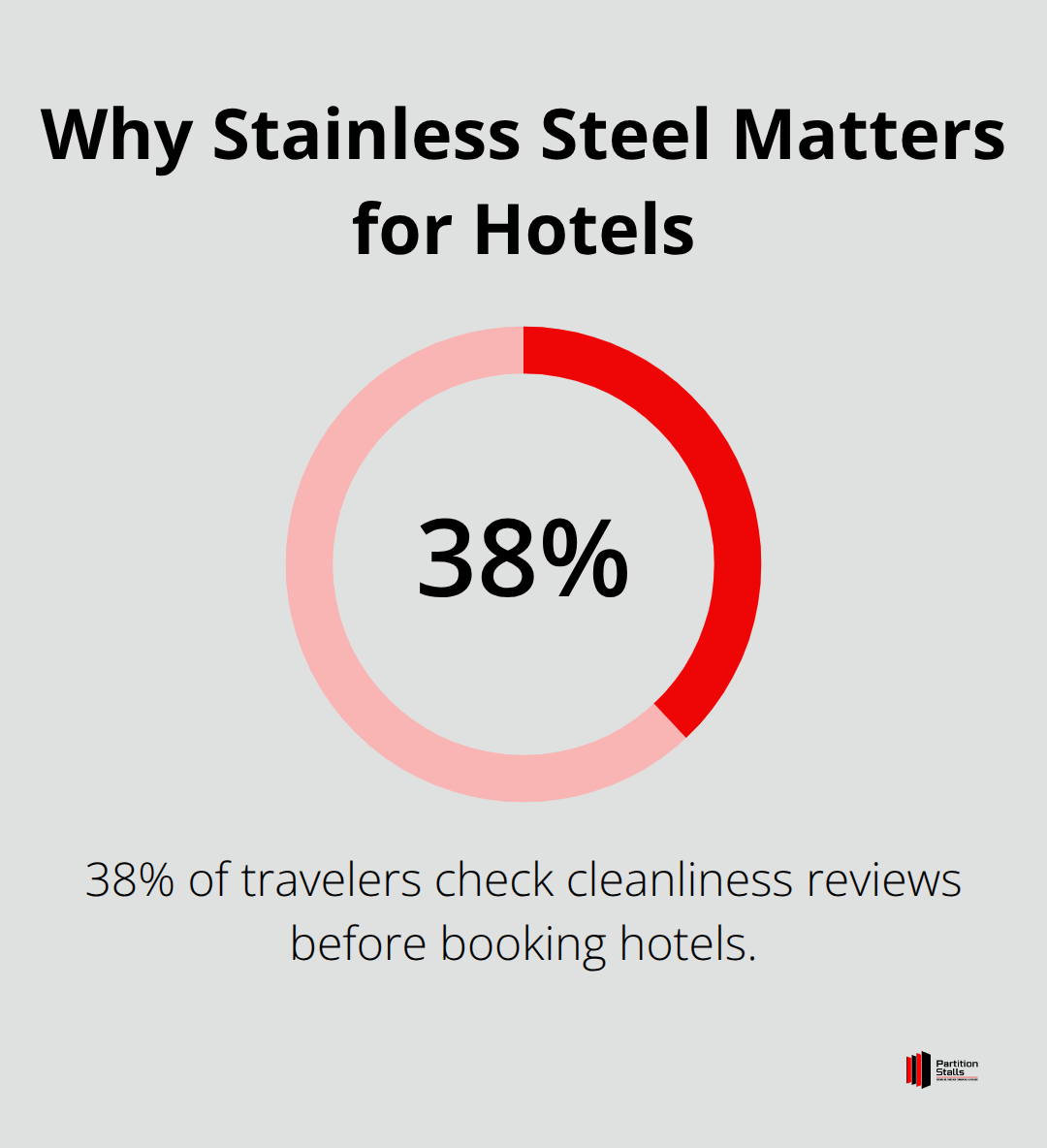
Stainless steel partitions start near $700 per stall and suit upscale restaurants, hotels, and transit hubs where durability and vandal resistance matter most. Hotels particularly benefit here since 38% of travelers check cleanliness reviews before booking according to hospitality data, and stainless steel delivers both the appearance of quality and the actual resistance to wear. Stainless steel is 100% recyclable, supporting sustainability goals while offering superior longevity.
The material choice isn’t about finding the best option universally-it’s about matching moisture levels, traffic patterns, and your budget to the right material.
Matching Materials to Your Specific Environment
A school with high-traffic hallways and vandalism pressure needs phenolic or solid plastic far more than a small office with occasional users needs premium materials. Your facility’s conditions determine which material performs best and delivers the best value over time. Once you understand your material options, the next step involves selecting the right installation method and design configuration for your space.
Installation Methods Shape Your Partition Performance
Floor-Mounted Partitions: Cost-Effective but Limited
Floor-mounted partitions anchor directly to the restroom floor and cost less upfront than ceiling-hung or floor-to-ceiling alternatives, making them the practical choice for small offices, retail stores, and facilities with low-to-moderate traffic. Installation takes less time and complexity since crews don’t need overhead bracing or structural reinforcement. However, floor-mounted systems accumulate dirt and debris around the base, creating maintenance headaches in busy restrooms. Water pools at floor level in high-moisture environments like gyms and pools, accelerating material degradation regardless of whether you chose solid plastic or laminate. For these reasons, floor-mounted partitions work best in controlled environments where foot traffic stays predictable and moisture exposure remains minimal.
Ceiling-Hung Partitions: Modern Design Meets Hygiene Standards
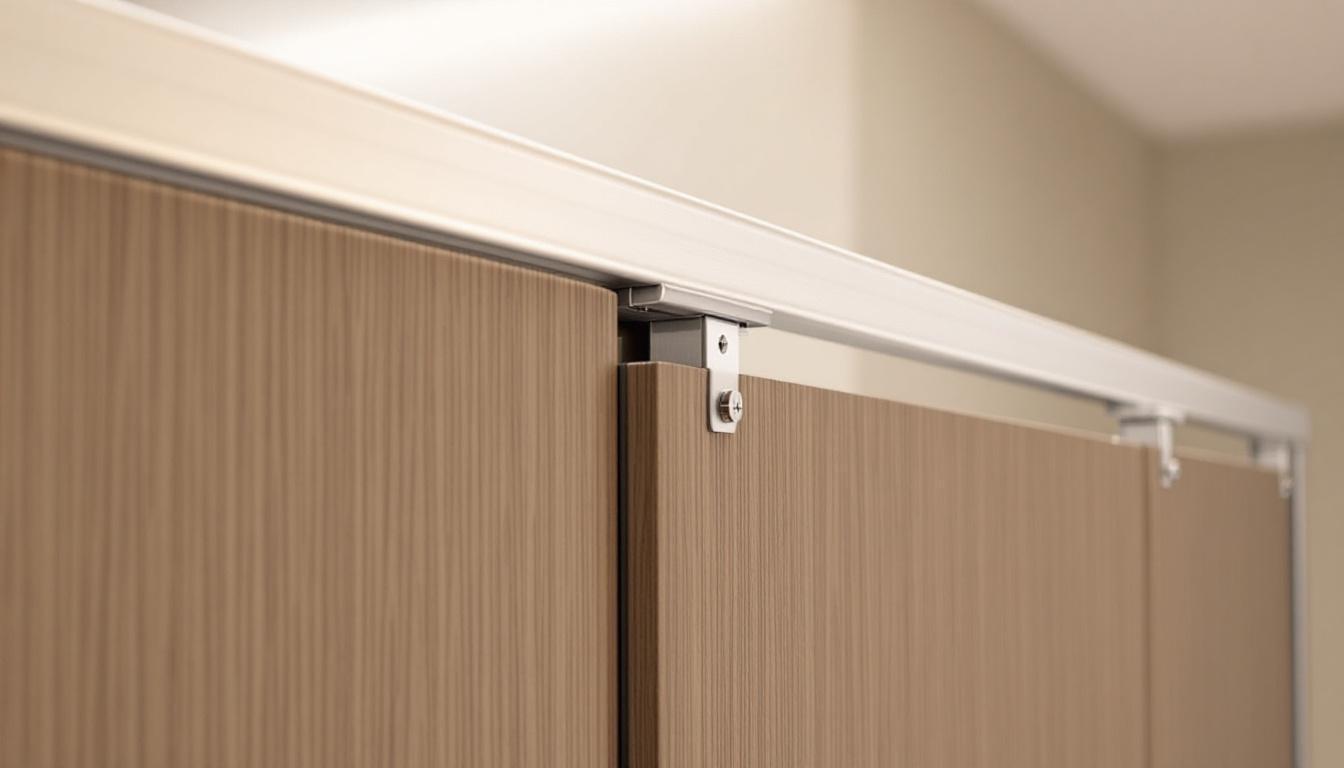
Ceiling-hung partitions eliminate the floor-contact problem entirely by suspending panels from overhead supports, leaving the floor clear for thorough cleaning and water drainage. This design prevents moisture accumulation and bacterial growth that plagues floor-mounted systems in hospitals, airports, and transit hubs where hygiene standards demand nothing less than complete floor access. The modern aesthetic appeals to upscale facilities wanting contemporary restroom design without visible base hardware. Installation costs run higher because structural engineers must verify ceiling load capacity and proper headrail installation. Ceiling-hung systems require regular headrail maintenance to prevent squeaking and ensure smooth door operation, a trade-off worth making in high-traffic environments where cleanliness directly influences customer satisfaction.
Customization Reinforces Your Facility’s Brand Identity
Customization extends beyond material selection to color matching, panel thickness, and door configurations that reinforce your facility’s brand identity. Restaurants benefit from laminate partitions in brand colors that coordinate with dining areas, while corporate offices select neutral phenolic or stainless steel finishes that project professionalism. Hotels near pools or gyms demand moisture-resistant materials in colors that hide dirt and water stains, preventing the perception of poor maintenance despite regular cleaning schedules. The design choice isn’t aesthetic alone-it’s functional strategy that either supports or undermines your operational goals around cleanliness, durability, and user confidence in your facility. Your installation method and customization decisions directly impact how well your partitions perform over time, which brings us to the practical realities of keeping your restroom systems in top condition.
Installation and Maintenance Considerations
Proper installation determines whether your partition investment lasts 5 years or 25 years, yet many facilities treat it as a commodity task rather than a critical decision point. The installation method you select during design phase directly impacts maintenance burden, water exposure risk, and long-term material performance. Ceiling-hung partitions are aesthetically pleasing and ideal for restrooms with lower usage volumes, though they require structural verification and headrail installation that adds upfront cost but eliminates floor-level moisture accumulation that degrades solid plastic and laminate materials in high-traffic restrooms. Floor-mounted systems cost less initially but create maintenance challenges in gyms, pools, and hospitals where water exposure happens constantly.
Installation Quality Determines Long-Term Performance
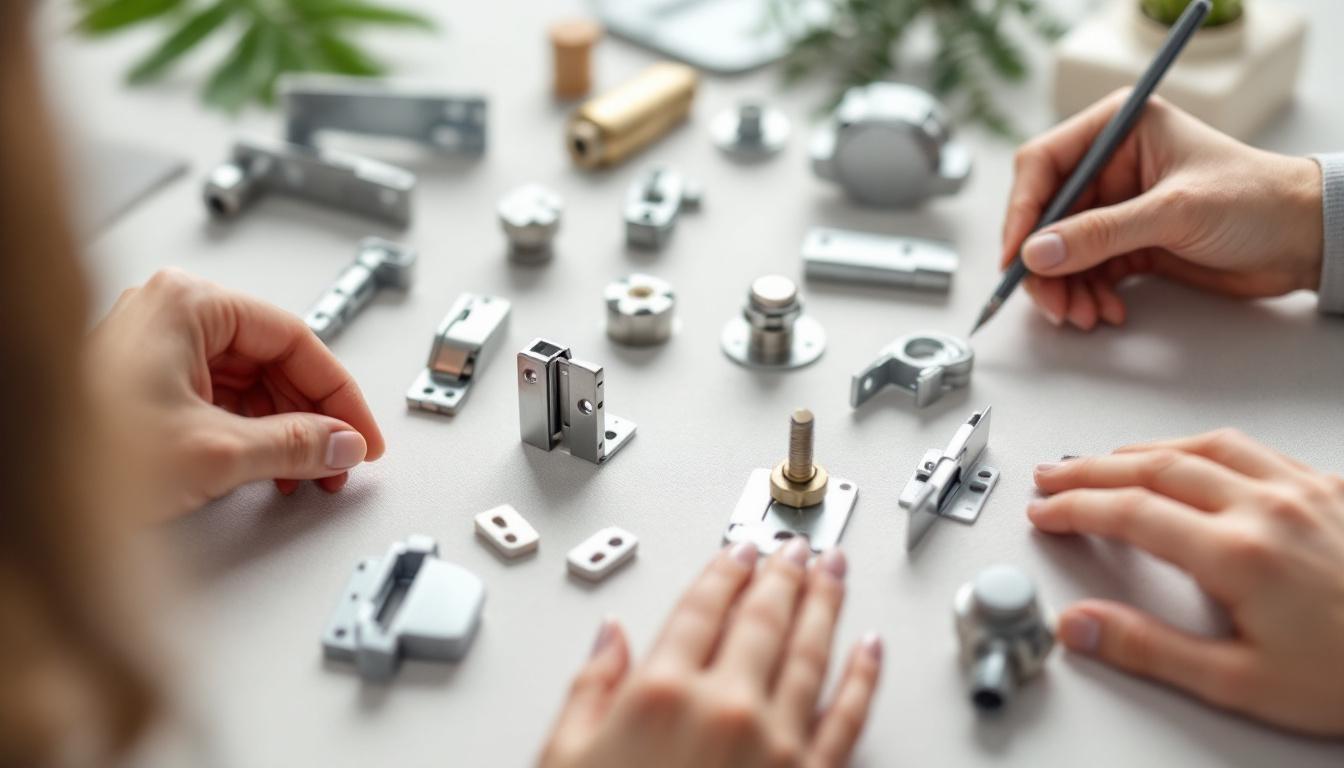
Your installation crew matters equally-experienced installers ensure pilaster alignment prevents door binding, proper fastener torque prevents panel separation, and headrail bracing handles daily use stresses without squeaking or movement. Request installer qualifications and verify they’ve completed similar material installations, especially when specifying phenolic or stainless steel where precision affects both functionality and appearance. Poor installation shortcuts lead to misaligned doors, loose panels, and hardware failures that compound maintenance costs over time.
Maintenance Practices Separate Success From Failure
Maintenance practices separate facilities that keep partitions looking new from those watching material failure accelerate over 3–5 years. Solid plastic and phenolic partitions resist moisture and are easy to clean and maintain, making weekly thorough cleaning practical without material damage. Laminate and powder-coated steel demand gentler approaches-acidic cleaners strip protective coatings and water seeping into visible edges causes swelling and delamination. Schools in high-vandalism environments benefit from phenolic’s resistance to graffiti and vandalism, reducing the visual pressure for aggressive cleaning that damages materials.
Address Water and Hardware Issues Immediately
Water pooling at partition bases accelerates rust on powder-coated steel and creates bacterial growth in any material, so address standing water immediately. Door hinges and locks require monthly lubrication to prevent squeaking and binding that forces users to slam doors, accelerating hardware failure. Headrails on ceiling-hung systems need quarterly checks for alignment drift and fastener loosening caused by vibration from door use.
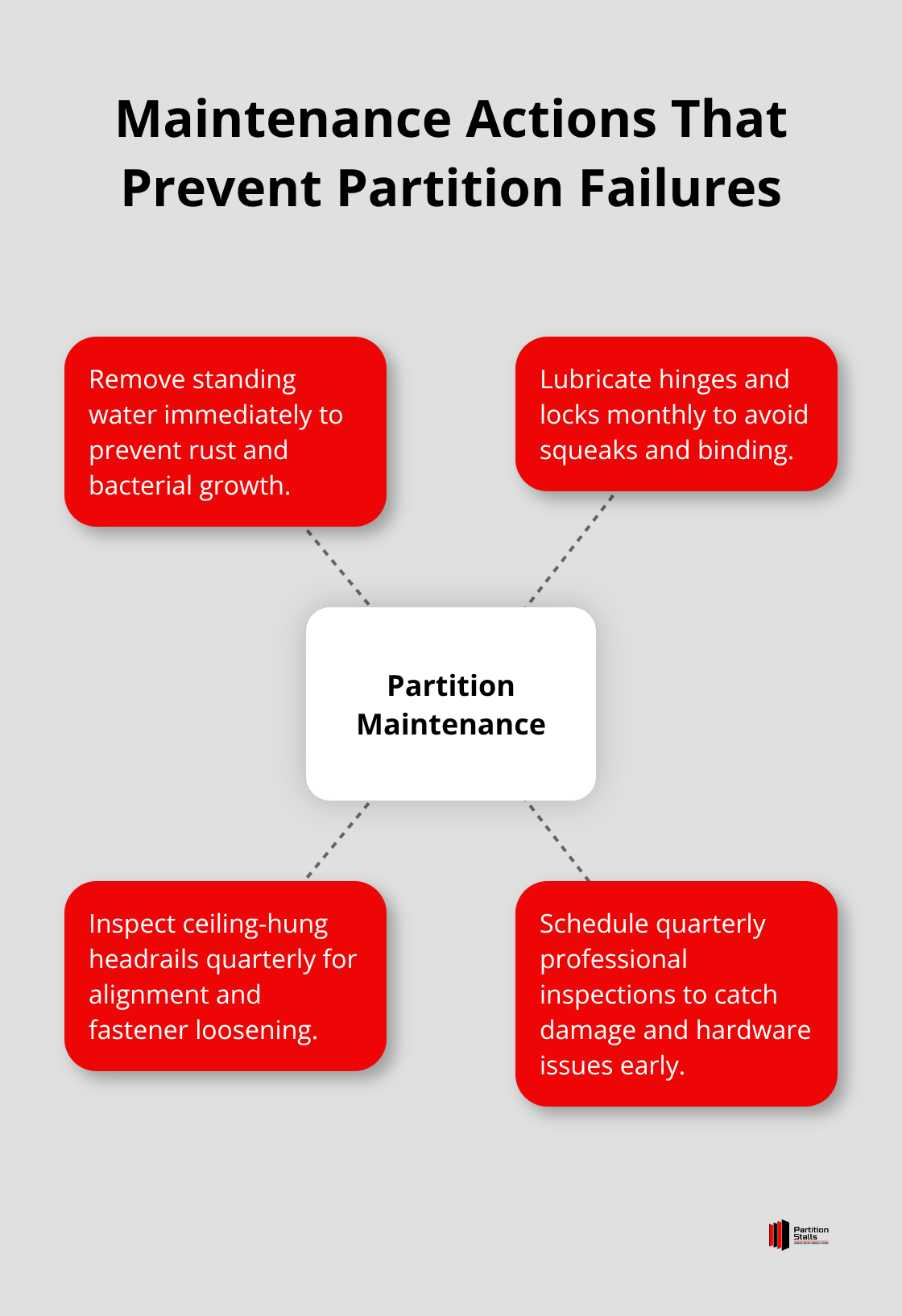
Most partition failures stem not from material defects but from installation shortcuts or deferred maintenance-facilities that budget for quarterly professional inspections catch hardware issues and material damage before they become expensive replacements.
Final Thoughts
Your restroom’s partition choice shapes how your facility functions for years to come. Laminate partitions offer affordability and design flexibility for facilities where moisture stays minimal, solid plastic handles moisture-heavy environments like gyms and pools with genuine durability backed by 25-year warranties, and stainless steel provides premium vandal resistance and recyclability for upscale facilities where appearance and longevity matter equally. Installation method matters just as much as material selection-floor-mounted systems cost less upfront but create maintenance challenges in high-traffic restrooms, while ceiling-hung partitions eliminate floor-level moisture accumulation and deliver modern aesthetics, though they require structural verification and higher installation investment.
The right toilet partition types solution balances your facility’s specific conditions against realistic maintenance capacity and budget. A school with constant foot traffic and vandalism pressure needs different materials and installation methods than a small office with occasional users, and a hotel near a pool demands moisture-resistant materials in colors that hide water stains while a casual restaurant benefits from laminate in brand colors that coordinate with dining areas. Your choice between these approaches directly impacts how much time and money you’ll spend maintaining your restroom over the next decade.
We at Partition Stalls understand that selecting the right restroom solution requires matching materials, installation methods, and customization options to your actual operational needs. Contact us for a free consultation to transform your restroom with durable, stylish solutions that support your facility’s long-term performance and user satisfaction, or explore our comprehensive partition selection guide to learn more about matching the right system to your space.